
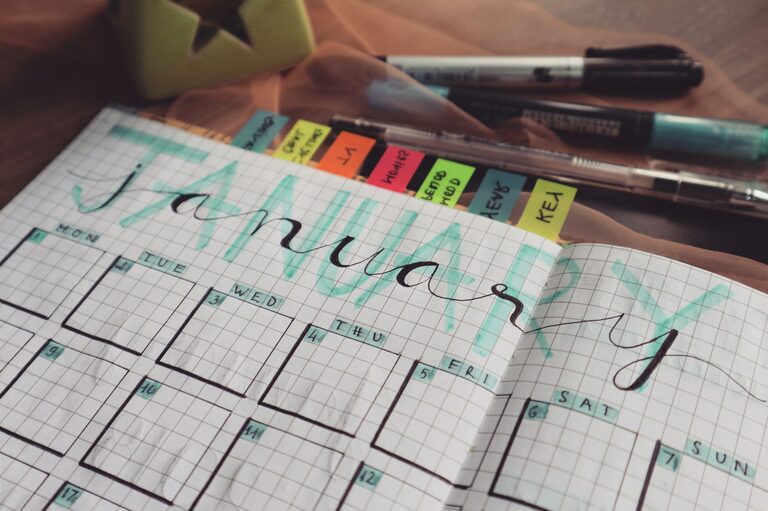
When the weekend finally arrives, most of us hope for a break from the hustle and bustle of daily life. However, without a little planning, weekends can sometimes become just as stressful as weekdays. Whether it’s last-minute errands, social obligations, or overpacking your schedule, these activities can leave you feeling more drained than refreshed. The key to a truly relaxing weekend lies in thoughtful planning—allowing time for rest, hobbies, and simply enjoying the moment.
In this post, we’ll explore how to plan a no-stress weekend that balances productivity with relaxation, helping you return to your week feeling rejuvenated.
Why Plan a No-Stress Weekend?
Weekends are precious opportunities to recharge physically and mentally. Planning ahead can:
– Prevent feeling overwhelmed by unexpected tasks
– Ensure time for activities that genuinely refresh you
– Help maintain a healthy balance between social time and solitude
– Boost your mood and overall well-being
By intentionally shaping your weekend, you take control of your time rather than letting it slip away.
Step 1: Set Realistic Expectations
Before you dive into any plans, ask yourself what you really want out of your weekend. Do you want to catch up on sleep? Spend time outdoors? Connect with loved ones? Or maybe just do nothing at all?
Tips for setting expectations:
– Write down your top 2–3 goals for the weekend
– Avoid overcommitting—choose activities that energize rather than drain you
– Accept that some chores may have to wait if they cause stress
Remember, a no-stress weekend is about quality, not quantity.
Step 2: Prioritize Rest and Sleep
One of the easiest ways to reduce stress is ensuring you get enough rest.
How to prioritize rest:
– Aim for consistent sleep times even on weekends
– Create a bedtime routine to help you wind down
– Take short naps if needed, but avoid oversleeping which can disrupt your rhythm
Rest is the foundation that supports all other activities, so honor your body’s needs.
Step 3: Simplify Your Schedule
Look at your calendar and minimize your commitments. Avoid cramming your weekend with back-to-back events or chores.
Simplification strategies:
– Choose one or two social activities instead of many
– Delegate household tasks when possible
– Allow buffer time between activities to avoid rushing
Scheduling downtime is just as important as scheduling events.
Step 4: Plan Enjoyable Activities
Include activities that bring you joy or relaxation. This might be reading, cooking, going for walks, practicing hobbies, or watching a favorite movie.
Ideas for relaxing weekend activities:
– Visit a park or natural setting
– Try a new recipe or bake something sweet
– Listen to music or podcasts you enjoy
– Do light stretching, yoga, or meditation
– Spend quality time with family or friends in low-pressure settings
Choose activities that feel like a treat rather than a chore.
Step 5: Limit Screen Time and Digital Distractions
Screens often add to stress, whether due to work emails or social media overload.
Ways to reduce digital stress:
– Set specific times to check your phone or emails
– Turn off non-essential notifications
– Consider a digital detox for a few hours or a full day
Disconnecting can help you be more present and calm.
Step 6: Prepare Ahead of Time
Take some time on Friday or even Thursday evening to prepare for the weekend.
Preparation may include:
– Planning meals or grocery shopping in advance
– Setting out comfortable clothes for relaxing activities
– Creating a simple to-do list with priorities (keep it short)
– Charging devices and gathering materials for hobbies
Preparation reduces last-minute rushes and smooths your weekend flow.
Bonus Tips for Staying Stress-Free
– Practice Mindfulness: Spend a few minutes each day focusing on your breath and being present.
– Stay Hydrated and Eat Well: Nourish your body with balanced meals and plenty of water.
– Say No When Needed: It’s okay to decline invitations or requests that feel overwhelming.
– Create a Comfortable Space: Tidy your favorite relaxation spot and add cozy elements like blankets or candles.
– Listen to Your Body: If you feel tired during the day, allow yourself to rest.
In Summary
A no-stress weekend doesn’t happen by accident. It’s the result of intentional choices that respect your needs for rest, joy, and simplicity. By setting realistic goals, prioritizing rest, simplifying your schedule, and incorporating enjoyable activities, you can transform your weekends into a much-needed sanctuary. Remember to prepare ahead, limit digital distractions, and honor your personal limits. With these strategies, your weekends can truly become a time to relax, recharge, and enjoy life’s simple pleasures.
Take a deep breath—and start planning your next no-stress weekend today!
